

The Allure of Risk and Reward
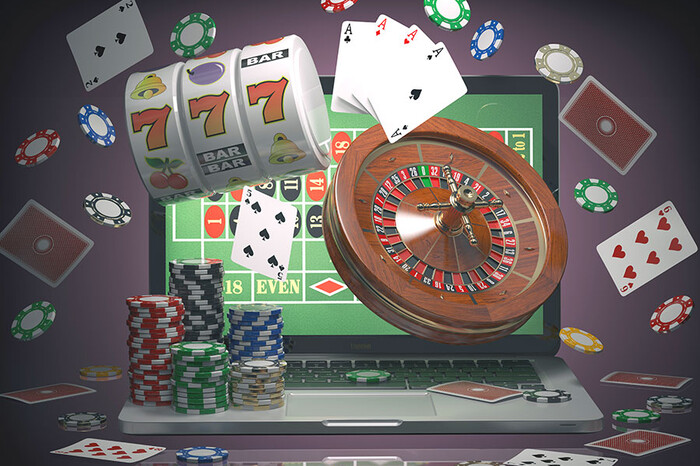
Casino gambling is fundamentally rooted in the psychology of risk and reward. Many players are drawn to the thrill of uncertainty, where the potential for significant wins creates a compelling contrast against the mundane aspects of everyday life. This attraction to the unknown stimulates the brain’s reward pathways, resulting in the release of dopamine—a neurotransmitter associated with pleasure and satisfaction. As players engage more with gambling activities, they find themselves increasingly motivated by the possibility of a big win, which can sometimes overshadow the reality of the odds. In recent years, many have ventured to explore online casinos as an alternative that offers new experiences.
This dynamic is exacerbated by the casino environment itself, which is designed to evoke excitement and anticipation. Bright lights, engaging sounds, and the atmosphere of jubilation around winners contribute to an immersive experience. The anticipation that builds as players await the outcome of a game feeds into their desire for risk, with many gamblers finding joy not only in the potential financial gain but also in the thrill of engaging in uncertain situations.
The Role of Cognitive Biases
Cognitive biases play a significant role in the psychology behind gambling. Players often exhibit various biases, such as the illusion of control, where they believe their actions can influence outcomes that are entirely random. This belief can lead to increased engagement in gambling behaviors, as players feel a false sense of agency over the results. Consequently, this can perpetuate a cycle where hope and expectations keep players returning to the casino, despite the inherent risks involved.
Moreover, the gambler’s fallacy—a common cognitive bias—also influences players’ decisions. This fallacy leads individuals to believe that past outcomes will affect future events, causing them to make irrational bets based on previous results. For instance, a player might continue to wager on a losing streak, convinced that a win is “due” based on their prior experience. These cognitive distortions not only shape gambling behavior but also contribute to financial losses and addiction.
Emotional Factors and Social Influence
Emotions heavily influence gambling behavior, often driving players to seek solace or escape through casino games. Many individuals use gambling as a way to cope with stress, anxiety, or depression, viewing it as a temporary distraction from their problems. This emotional reliance can lead to a dangerous cycle where players gamble to feel better, only to experience guilt and shame afterward when losses occur. Understanding this emotional aspect is crucial in addressing gambling-related issues and encouraging responsible gaming.
Social influences, such as peer pressure and community, also play a significant role in the gambling experience. Many players find enjoyment in the social aspects of casinos, where camaraderie and shared experiences enhance the thrill of gaming. Group dynamics can intensify gambling behaviors, with players often feeling compelled to participate to fit in or maintain friendships. Over time, this can lead to habitual gambling, driven by the combined effects of social interaction and emotional fulfillment.
The Impact of Marketing and Environment
Marketing strategies employed by casinos tap into psychological triggers that compel individuals to gamble. Effective advertising often emphasizes excitement and luxury, portraying gambling as a glamorous lifestyle choice. These tactics create an allure that draws potential players in, sometimes masking the risks associated with gambling. Special promotions, loyalty programs, and bonuses further entice individuals, making them feel that the opportunity to win is just a game away, regardless of the odds.
The environment of a casino reinforces these marketing messages. The layout, sounds, and even scents are meticulously crafted to create a stimulating atmosphere that encourages prolonged play. For instance, the absence of clocks and windows in many casinos helps disorient players, leading them to lose track of time and gamble longer than intended. These factors contribute to a heightened sense of urgency and excitement, effectively driving players to engage in further gambling activities.
New Horizons in Understanding Gambling Psychology
Understanding the psychology behind casino gambling is essential for both players and industry professionals. By recognizing the motivations and cognitive biases that drive individuals to gamble, better educational programs and responsible gambling initiatives can be developed. As the gambling landscape continues to evolve, it is crucial to provide support and resources that promote healthy gaming habits.
Education and awareness play vital roles in mitigating the risks associated with gambling. Organizations dedicated to public awareness can help players understand the psychological factors at play and encourage them to seek assistance if needed. Promoting responsible gambling practices not only benefits individuals but also helps create a sustainable and healthy gambling environment for everyone involved.