


By considering these concepts in depth, you’ll be well-equipped to make informed decisions based on reliable financial information. On the other hand, if a company is considered a going concern, it signals trust in the company’s longevity and future prospects. This perception allows businesses to offer greater credit sales than they would if their going concern status was in question. When a firm no longer meets the requirements to be considered a going concern, it may undergo a revaluation at the request of shareholders, investors, or the board.

Going Concern Concept
As a result, financial statements assume assets will be used in operations, not sold off, providing a clearer view of the organisation’s financial health. It assumes that a company will continue operating into the foreseeable future, which supports accurate asset valuation and long-term planning. The implications for financial reporting will depend on whether or not management conclude that the entity is a going concern. As part of their assessment, management must consider whether there are any events or conditions that cast significant doubt upon the entity’s ability to continue as a going concern. Resulting uncertainties are considered material if their disclosure could reasonably be expected to affect the economic decisions of shareholders and other users of the financial statements. Determining a company’s status as a going concern influences how certain expenses and assets are reported in financial statements.

Who is Responsible for Assessing the Going Concern?
- See details about Atomic, in their Form CRS, Form ADV Part 2A and Privacy Policy.
- This concept underpins the preparation of financial statements and affects how assets are depreciated and liabilities are managed.
- Their ability to meet obligations and invest in future growth supports this assumption.
- The entity has also been unsuccessful in applying to other financial institutions for re-financing.
It means that a business is assumed to have the resources and ability to continue its operations for the foreseeable future. This assumption affects how assets and liabilities are valued, as well as how expenses and revenues are reported in financial statements. Once an auditor https://bnbtampabay.com/new-york-tax-tables-2026-state-income-tax-brackets/ examines a company’s financial statements to see if the operating conditions of the entity are suitable for the long-term continuity of the business, they will issue a certificate accordingly. Some of the conditions that create substantial doubts for the principle of going concern are defaults on loans, lawsuits, company plans to declare bankruptcy, continued losses year over year, etc.
How can board members check if the business is healthy?
Because banks value trust, they’ll usually disclose any known issues; however, don’t hesitate to ask questions for added peace of mind. If you’re not confident inspecting vehicles, bring an expert to check for wear, deferred maintenance, or mechanical problems. Banks won’t have any problem allowing you to inspect the repo vehicles prior to making an offer. CFI is the global institution behind the financial modeling and valuation analyst FMVA® Designation.
Examples of going concern concept
This revaluation can be used to price the company for acquisition or to seek out a private investor willing to provide financing. As part of this process, certain accounting measures must be taken to write down the value of the company on their financial reports. Going concern describes a business likely to avoid liquidation for the foreseeable future as it can meet its financial obligations. This article will describe some key features of going concern, alongside some instances when it may be relevant to your business. This assumption is used to prepare general purpose financial statements, unless management intends to liquidate the entity or has no realistic alternative but to do so. It refers to a business going concern meaning that is expected to continue operating for the foreseeable future.
Before You Sign That Lease: What Every Retail Business Must Check
Accounting frameworks like IFRS and GAAP require assessment and disclosure of Going Concern status. If material uncertainty exists, it must be transparently reported in the financial statements, ensuring legal compliance and accountability. An example of the application of going concern concept in business is the computation of depreciation on the basis of the expected economic life of fixed assets rather than their current market value. Companies assume that their business will continue for an indefinite period of time and that the assets will be used in business until they are fully depreciated.

This includes everything from seized assets, police auctions, and government property listings. For real estate buyers looking for REO properties we also have a separate list of nationwide property listings from the largest banks in America. The going concern principle assumes that any organization will continue to operate its business for the foreseeable future. The principle purports that every decision in a company is taken with the objective in mind of running the business rather than that of liquidating it. However, if the deal depends on external approvals and the company cannot operate without buyer support, management must assess the risk of the deal falling through.
Impact on Stakeholders
Firms https://www.bookstime.com/ listed on stock exchanges that regularly report profits, maintain investor confidence, and have clear growth strategies are generally treated as going concerns in financial reporting. Companies like global tech firms, consumer goods giants, and automotive manufacturers often qualify as going concerns due to their diversified operations, strong market presence, and stable cash flows. There is an expectation that demand for the company’s products or services will continue. This enables the business to maintain sales, attract new customers, and support steady growth. Organisations can defer expenses such as depreciation and amortisation over several accounting periods. This approach aligns costs with the revenues they generate, improving accuracy in net income reporting and expense planning.
A going concern may defer reporting long-term assets at current value while a company not considered a going concern may be required to report these assets at liquidating value. In finance, two distinct concepts govern business operations – going concern and liquidation. While both terms describe a company’s financial status, they carry different implications for stakeholders. Understanding the differences between these two concepts is crucial in analyzing a business’s viability and potential future performance. Creditworthiness plays a crucial role in a business’s ability to operate effectively and maintain its going concern status.
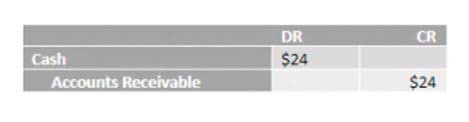
Understanding Going Concern: What It Means and Its Implications
If a company is no longer considered a going concern, it must report certain information differently on its financial statements and may face implications such as increased risk for investors and potential credit challenges. A business is considered a going concern if it’s financially stable enough to continue its operations without major changes, such as selling assets or entering bankruptcy. A successful restructuring can lead to a stronger balance sheet, improved operational efficiency, and renewed investor confidence.